


Real Results, Real Decisions: What Facelift Results Really Look Like

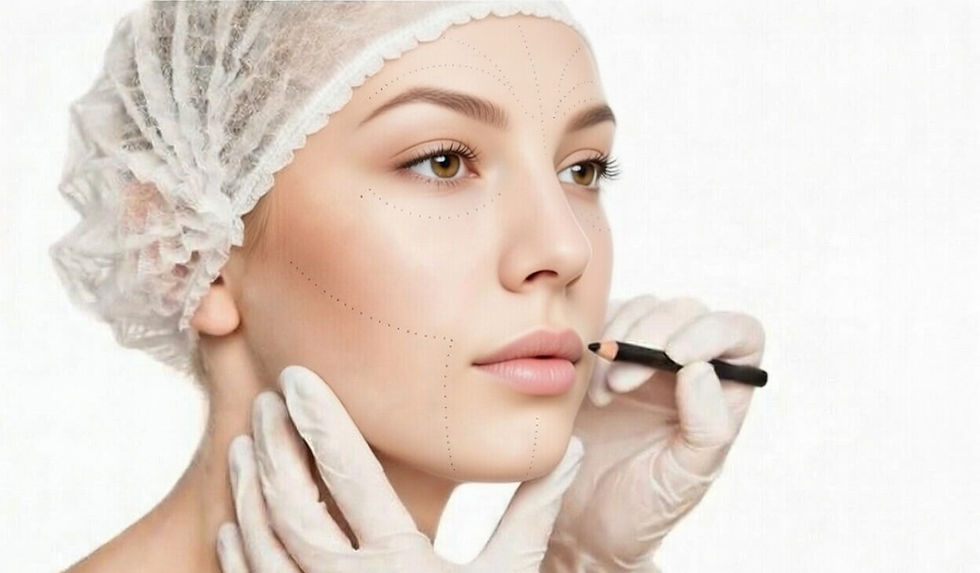
If you are in the research phase, comparing options, wondering what you will actually look like, this guide is totally made for you. We cover realistic results, patient satisfaction, how facelifts stack up against thread lifts, and what graceful ageing looks like with or without surgery.
01. Facelift Before and After: What Realistic Results Look Like?
The most important word in facelift results is natural. A well-executed facelift should not announce itself. What it should do is lift the jowls, tighten the neck, restore a defined jawline, and return a more rested, alert quality to the face without the tightened or pulled appearance that older techniques sometimes produced.

Realistic before-and-after results show meaningful improvement in facial contour and a reduction in sagging, while the patient still looks unmistakably like themselves. Most patients appear five to ten years younger. What a facelift cannot do is change bone structure, address skin texture, or eliminate all fine lines; those concerns are often better served by complementary treatments such as laser resurfacing or injectables.
02. Is a Facelift Worth It?
A Facelift is Worth It. Patient satisfaction rates for facelift surgery are consistently high, among the highest of any elective cosmetic procedure. The most common sentiment we hear from patients post-surgery is not that they look different, but that they finally look the way they feel on the inside.
The return on investment goes beyond the mirror. Patients regularly report greater confidence in professional settings, renewed motivation in their personal lives, and a sense that the gap between their inner energy and their outer appearance has finally closed. As with any surgery, the key is going in with realistic expectations — and leaving with a result that serves you for years to come.
03. PDO Threads vs. Facelift: Which Lasts Longer?
PDO thread lifts and facelifts both lift and reposition facial tissue, but they are not the same procedure, and the difference in longevity is significant. Thread lift results typically last twelve to eighteen months before the threads dissolve and the tissue gradually returns to its original position. For some patients, this is exactly what they want: a low-commitment, low-downtime option with no incisions.
A facelift surgery, by contrast, repositions the deeper structural layers of the face and removes excess skin, producing results that last seven to ten years or more. For patients with moderate to significant laxity, threads are unlikely to achieve the same degree of improvement. The right choice depends on the severity of your concerns, how much downtime you can manage, and how long you want your results to hold.
04. Can You Look Natural After a Facelift?
This is the fear that holds many patients back, and it is worth addressing directly. The overdone, wind-swept facelift look is largely a product of older surgical techniques that focused on pulling skin rather than repositioning the underlying tissue. Modern facelift surgery works at a deeper structural level, lifting and resupporting the facial foundation so that the skin drapes naturally rather than being stretched across it.
In expert hands, a facelift should be essentially undetectable. The hallmarks of a good result are a smooth, defined jawline, a natural neck contour, and a face that looks refreshed rather than altered. Choosing a board-certified facelift surgeon with a portfolio of natural-looking outcomes is the single most important factor in ensuring the result reflects the best version of you.
05. What Happens if You Don't Get a Facelift?
Nothing — and that is a completely valid choice. Ageing without surgery is entirely possible, and for many people it is the right path. A consistent skincare routine built around retinoids, SPF, and antioxidants will meaningfully slow visible ageing. Regular non-surgical treatments such as neurotoxins, dermal fillers, and skin-tightening devices can maintain a fresh appearance well into your sixties and beyond.
The honest answer is that non-surgical options have their limits. They cannot replicate the structural lift that surgery provides, and over time, the cumulative cost of maintenance treatments can approach that of a single well-performed facelift. The best approach is an informed one, knowing what each option can and cannot do, and choosing what fits your life, your goals, and your timeline.


Comments